KOUNALI
LanguageΕΛEN

LASITHI · CRETE · ALTITUDE 285M

KOUNALI

Where Crete still holds on to its roots

A small village on the slopes of Upper Mirabello, in Lasithi, where time moves more slowly, hospitality is a way of life and every stone has a story to tell.

01 — THE VILLAGE

Welcome
to Kounali

At the north-western edge of the Lasithi prefecture, where the slopes of Mirabello descend towards the Cretan Sea, lies Kounali — a small, authentic settlement that has managed to keep its character intact, far from the noise of the big tourist resorts.

Built at an altitude of 285 metres, just 9 kilometres north of Neapoli and roughly 29 kilometres from Agios Nikolaos, Kounali is the ideal base for anyone who wants to discover the “other” Crete — the one of stone houses, olive groves and human warmth that time has not worn away.

Visitors will find no stifling crowds or neon signs here. What they will find is something far more precious: a genuine corner of Crete, where daily life, the scents and the sounds remain as they were decades ago.

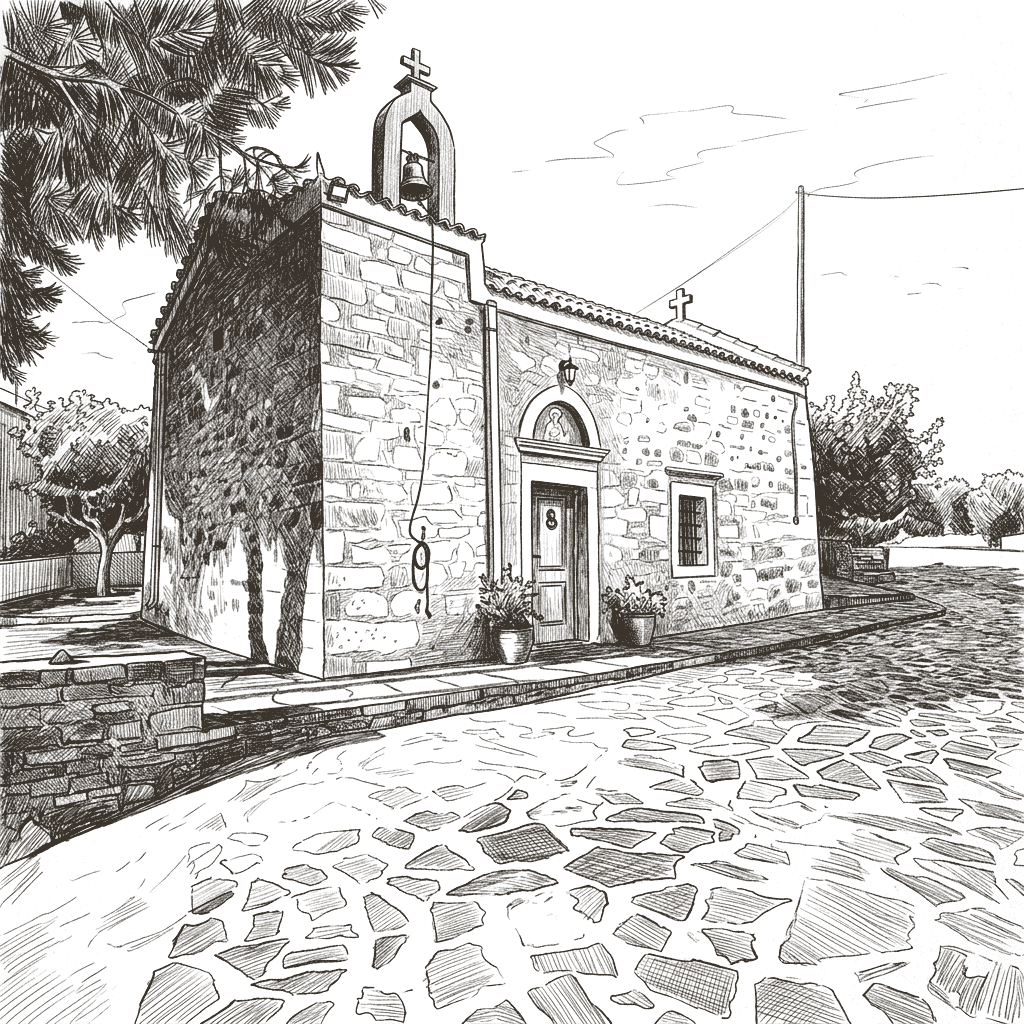
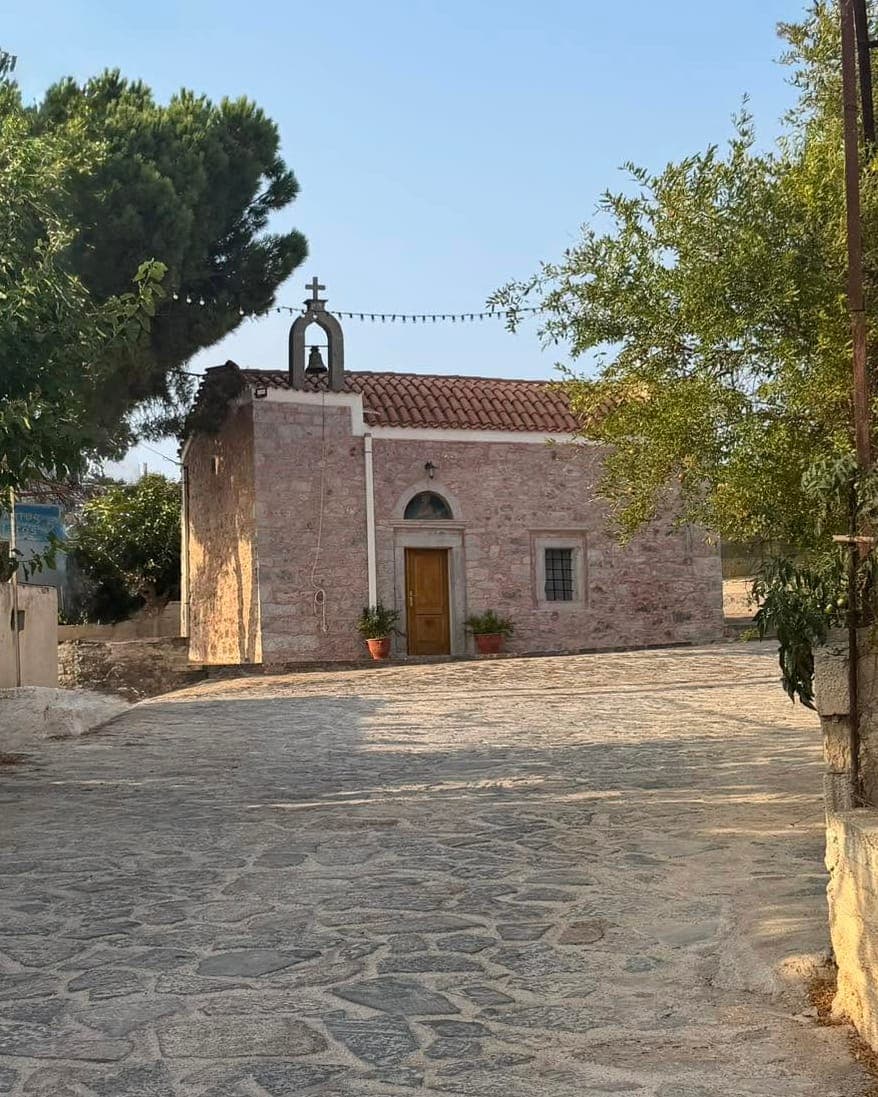
The stone church at the heart of Kounali, with its bell gable and tiled roof, on a cobbled street strung with colourful pennants
285M ALTITUDE · 9 KM FROM NEAPOLI

02 — HISTORY & TRADITION

Kounali: a name with a history

Kounali was not always called that. After the period of Ottoman rule and the union of Crete with Greece, the settlement was officially recorded as “Kanali”, attached to what was then the community of Latsida. In 1940 the name was corrected to its present form, “Kounali”, closing a cycle of small renamings that accompanied many Mirabello villages through the years of the island's administrative reorganisation.

Today the village belongs to the municipal unit of Neapoli, in the Municipality of Agios Nikolaos. Together with neighbouring villages such as Latsida, Fourni, Vrachasi and Milatos, it has shared the same land, the same olive groves and the same history for centuries.

TIMELINE

  1. OTTOMAN RULE

    A settlement of Mirabello

  2. AFTER THE UNION

    “Kanali”, community of Latsida

  3. 1940

    “Kounali”

  4. TODAY

    Municipality of Agios Nikolaos

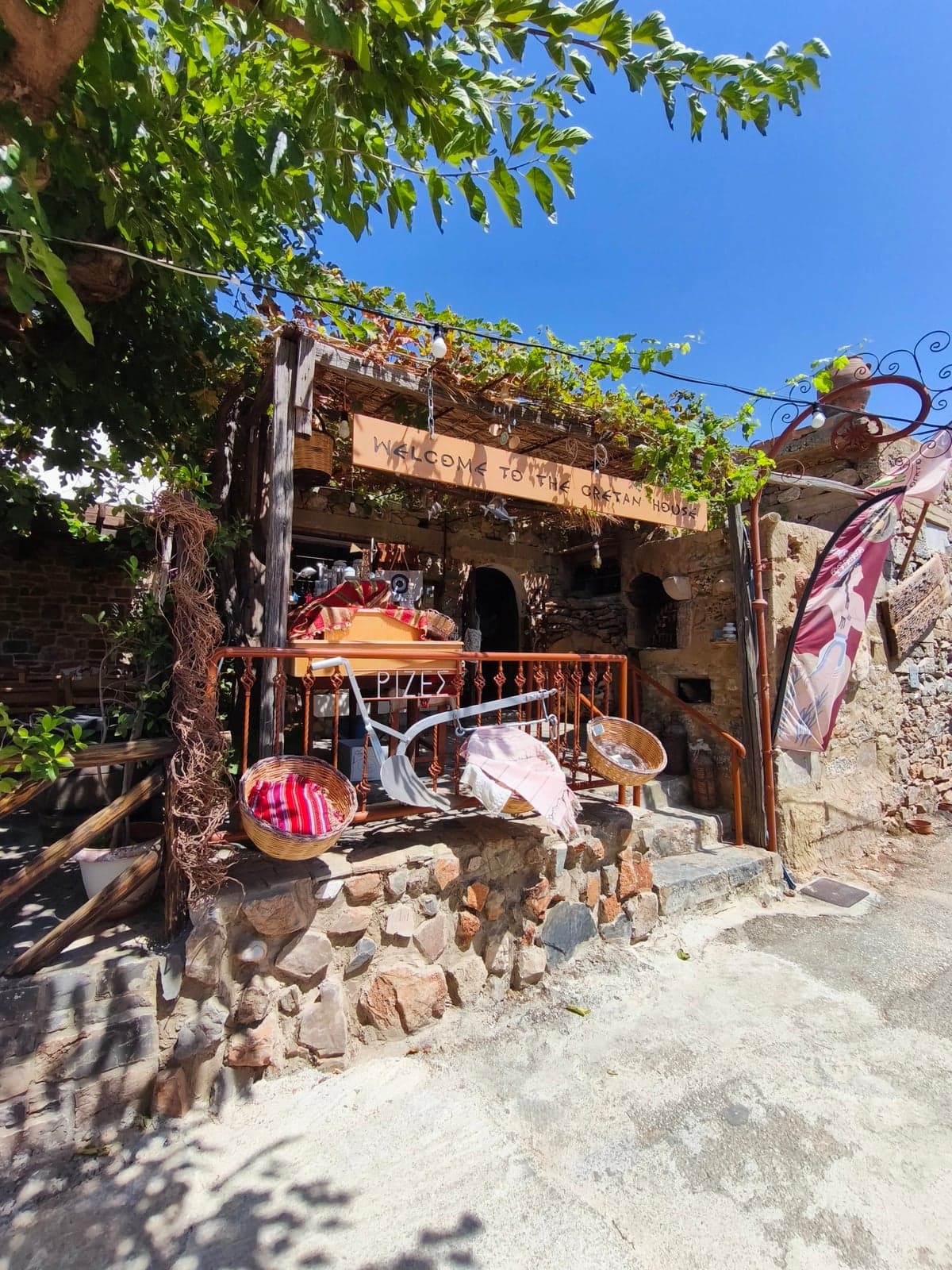
The entrance to the Rizes Kritis (Roots of Crete) folklore collection in Kounali: a stone house under a vine-covered pergola, with a “Welcome to the Cretan House” sign, an old plough and woven baskets

FOLKLORE COLLECTION

Rizes Kritis (Roots of Crete): a treasury of memory

The liveliest proof that Kounali honours its tradition is found in the village's most recent addition: the “Nispitas” Folklore Collection “Rizes Kritis” (Roots of Crete). Created by Michalis Chourdakis, known locally as “Nispitas”, the collection was born out of years of patience, persistence and love for Cretan tradition.

It houses hundreds of objects from the everyday life of past generations — farming tools, household utensils and small items that accompanied the lives of country people. A place of memory that keeps alive the history, the customs and the way of life of Cretan society, giving visitors the rare chance to touch, quite literally, the island's past.

A stop at Rizes Kritis is not simply a museum visit — it is a journey into the soul of the Cretan village.
Learn more about Rizes Kritis

Mirabello: a land of history and sacrifice

Kounali sits at the heart of Upper Mirabello, a region with deep historical roots. A few kilometres from the village, in neighbouring Milatos, stands the historic Cave of Milatos, a place of martyrdom during the Revolution of 1821 — one of the most moving historical sites in Crete, a reminder of the price the island paid for its freedom.

The whole area, from the ancient city of Dreros to the Byzantine chapels of the surrounding villages, is a living book of history — and Kounali is one of its pages.

03 — SIGHTS

Things to see in Kounali

IN THE VILLAGE

“Rizes Kritis” Folklore Collection

The heart of the village's cultural heritage. A unique collection of objects that recount everyday life in old Crete, put together with devotion by a local man.

IN THE VILLAGE

Nature & Walking

The surrounding paths, winding between olive groves and vineyards, offer quiet walks with views all the way to the Cretan Sea.

Around Kounali

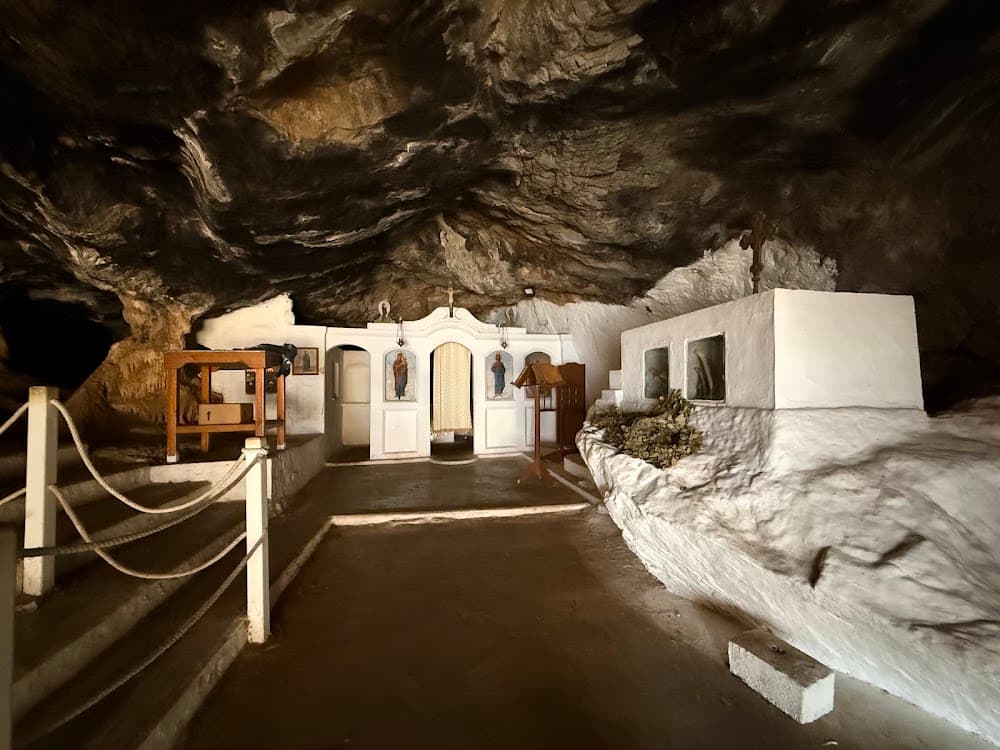
Inside the Cave of Milatos: the whitewashed chapel and its icon screen beneath the bare rock ceiling

·· ABOUT 5 MINUTES

Cave of Milatos

One of the most moving historical monuments in Crete. Here, in the winter of 1823, hundreds of local inhabitants took refuge during the siege by Hassan Pasha. A commemorative inscription stands at the cave entrance, while inside a small chapel and an ossuary have been built in honour of the victims. The cave is easily accessible and open to visitors.

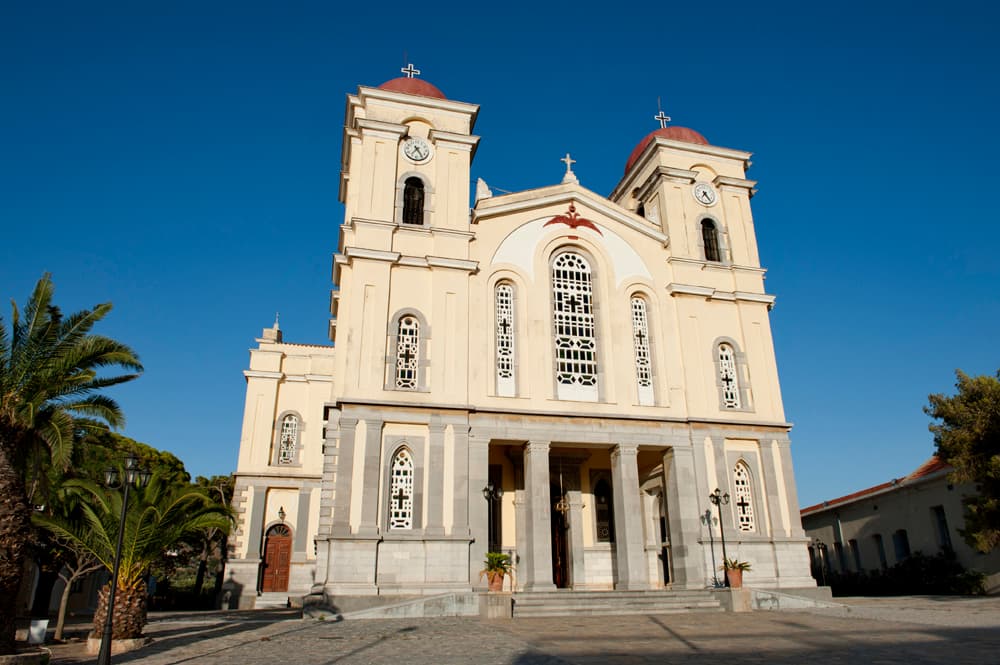
The church of Megali Panagia on the central square of Neapoli: two clock towers with red domes rise against a deep blue sky

·· ABOUT 15 MINUTES

Neapoli — Megali Panagia

The town of Neapoli, the historic capital of Lasithi, stands out for the imposing church of Megali Panagia on its central square — the seat of the Holy Metropolis of Petra and Cherronissos. A stroll along its cobbled streets, between traditional and neoclassical houses, completes the picture of an authentic Cretan town.

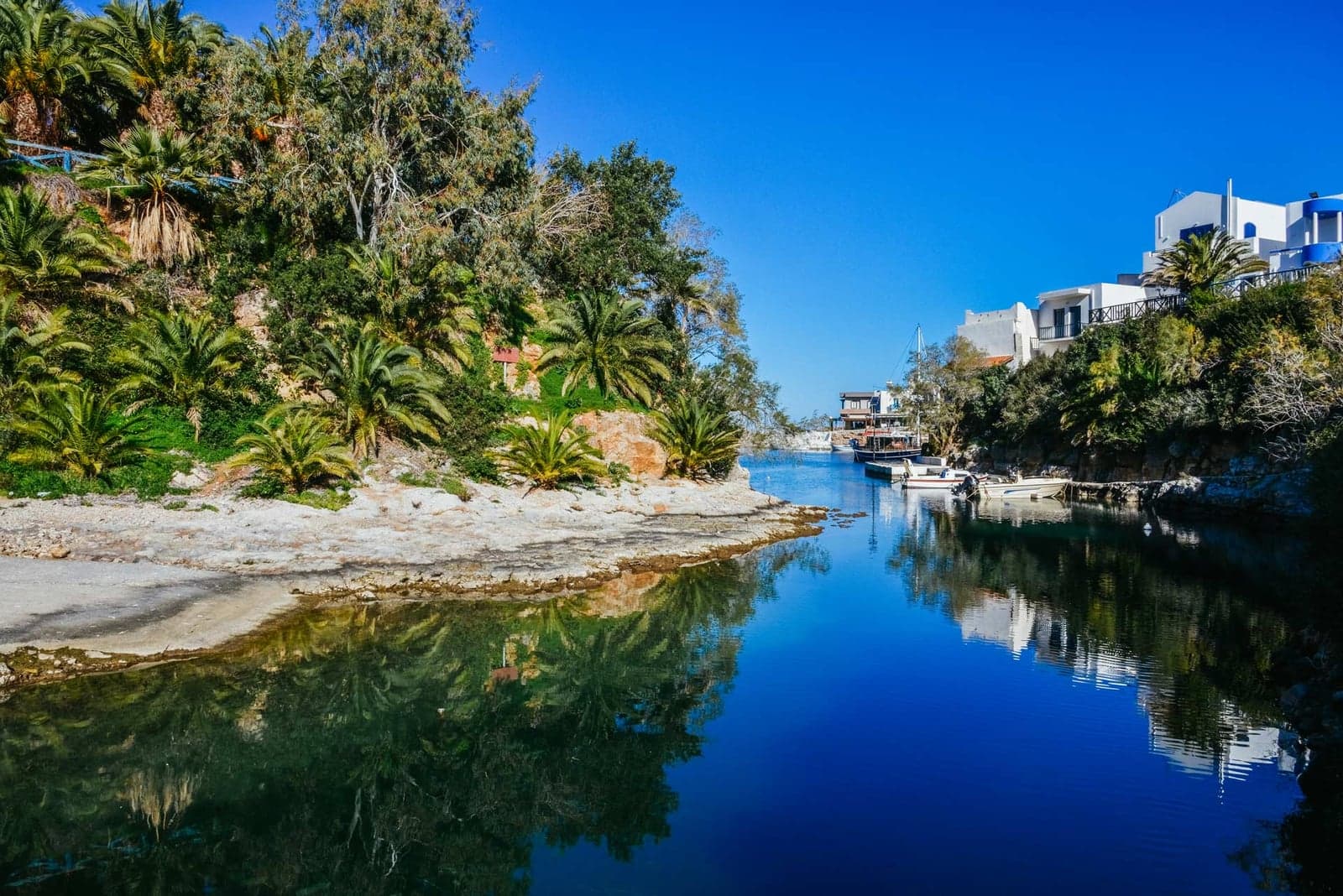
The natural harbour of Sisi: a narrow inlet of still water reflecting palm trees, moored boats and white houses

·· ABOUT 20 MINUTES

Sisi

One of the most picturesque fishing villages in Crete, its trademark being a natural harbour that resembles a small, enclosed lagoon. Colourful alleys, fish tavernas and small beaches make up a picture straight out of a postcard.

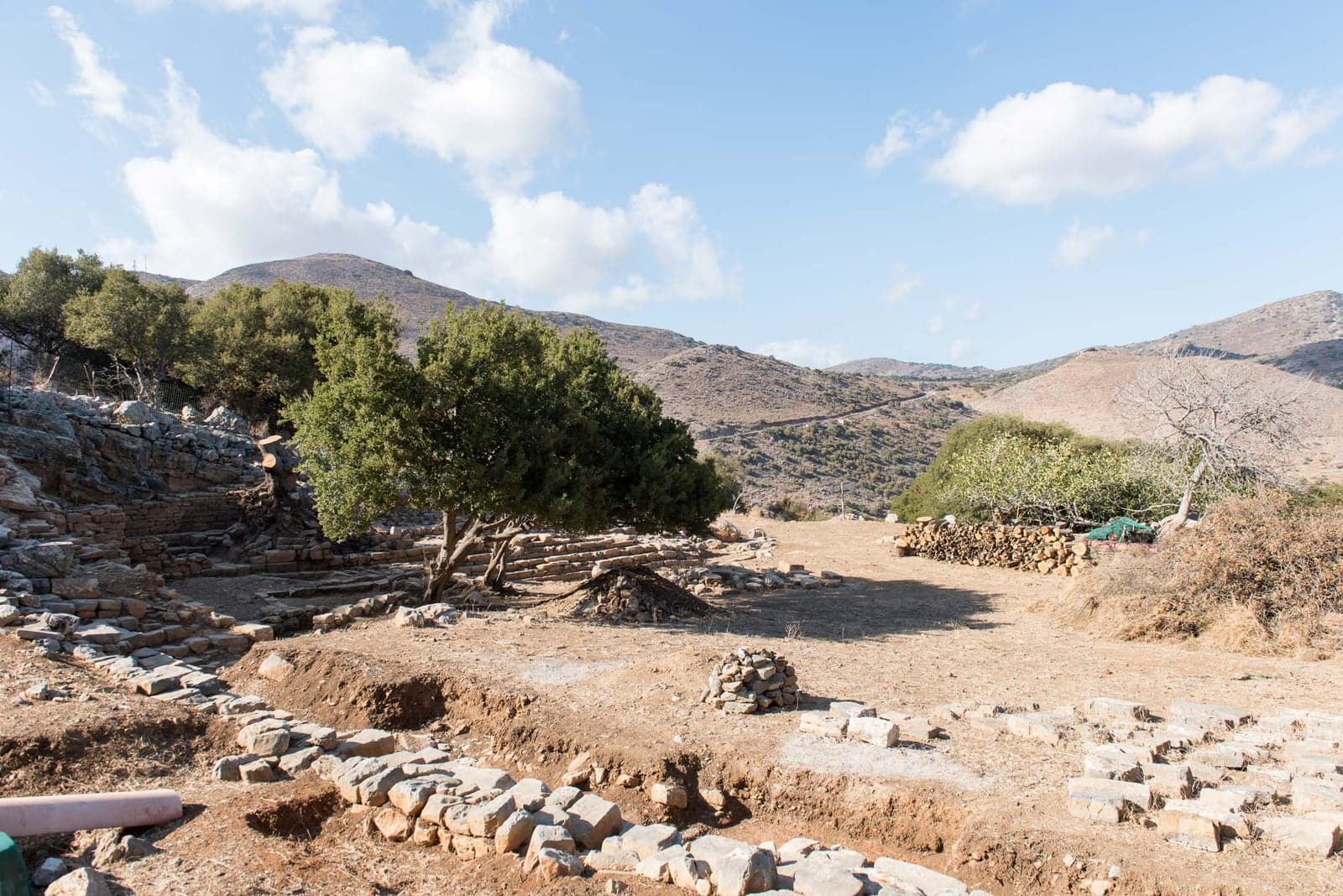
Excavated stone walls and steps at the archaeological site of ancient Dreros, with a tree at their centre and bare hills beyond

·· A SHORT DISTANCE AWAY

Ancient Dreros

Near Neapoli lies the archaeological site of ancient Dreros. This is where the “Dreros law” (7th century BC), the oldest surviving inscribed law in Greece, was found, along with an inscription bearing the oath of the city's young men, and where the temple of Apollo Delphinios, one of the earliest Greek temples, still stands.

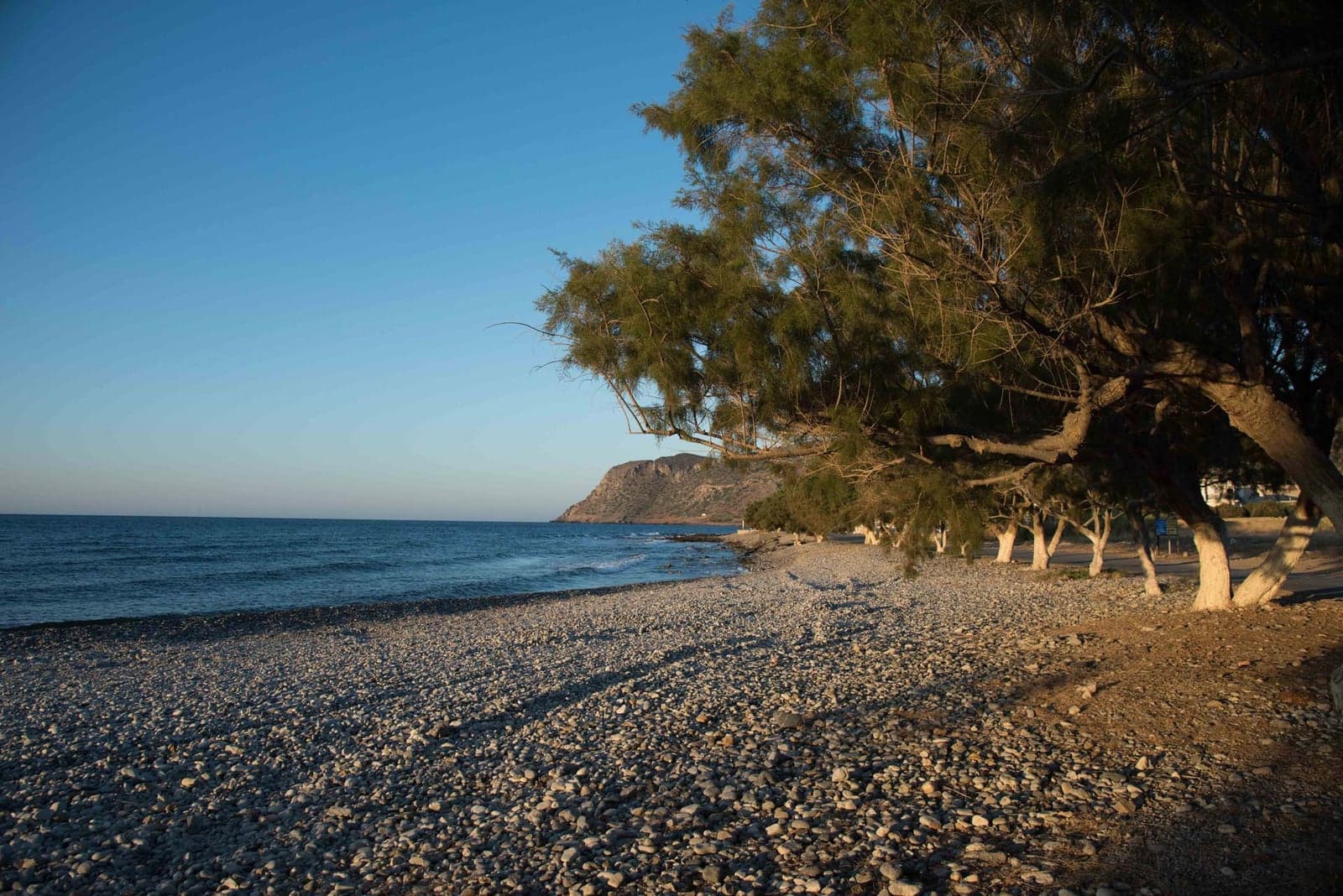
The pebble beach of Milatos in warm, low sunlight: trees with whitewashed trunks along the shore and a rocky headland in the distance

·· A FEW MINUTES BY CAR

Beaches of the area

From the rocky, picturesque shores around Milatos and Sisi to the organised sandy beaches towards Malia, the wider area offers options for every taste — just a few minutes by car from Kounali.

04 — FLAVOURS

Cretan cuisine: the traditional table

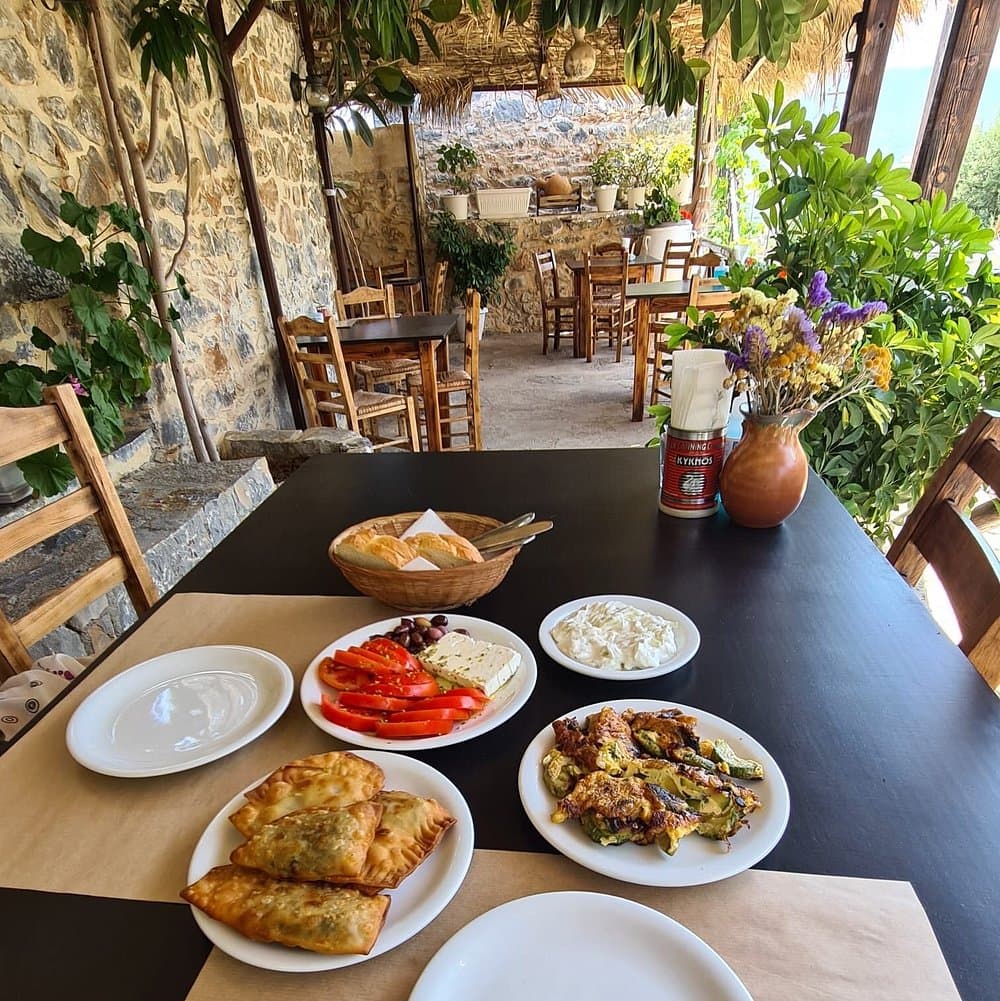
In Kounali, food is not simply a meal — it is a ritual of hospitality. At the local taverna “To Kounali”, visitors can enjoy authentic Cretan cuisine, made with local produce and recipes passed down from generation to generation.

Across the wider Mirabello region, the table is usually laid with:

  • Local olive oil and pure Cretan cheeses
  • Wild greens and seasonal vegetables from the surrounding fields
  • Grilled meat and traditional recipes
  • Raki and warm, unhurried conversation — the inseparable “side dish” of every Cretan table

A stop at a fish taverna by the sea in nearby Milatos, or at a traditional café in Neapoli, completes the culinary experience of the area.

Cretan meze on a table under a reed-roofed pergola in a stone courtyard: fried pies, tomatoes with feta and olives, a white dip, fried courgettes and a basket of bread

05 — WHERE TO STAY

Where to stay in and around Kounali

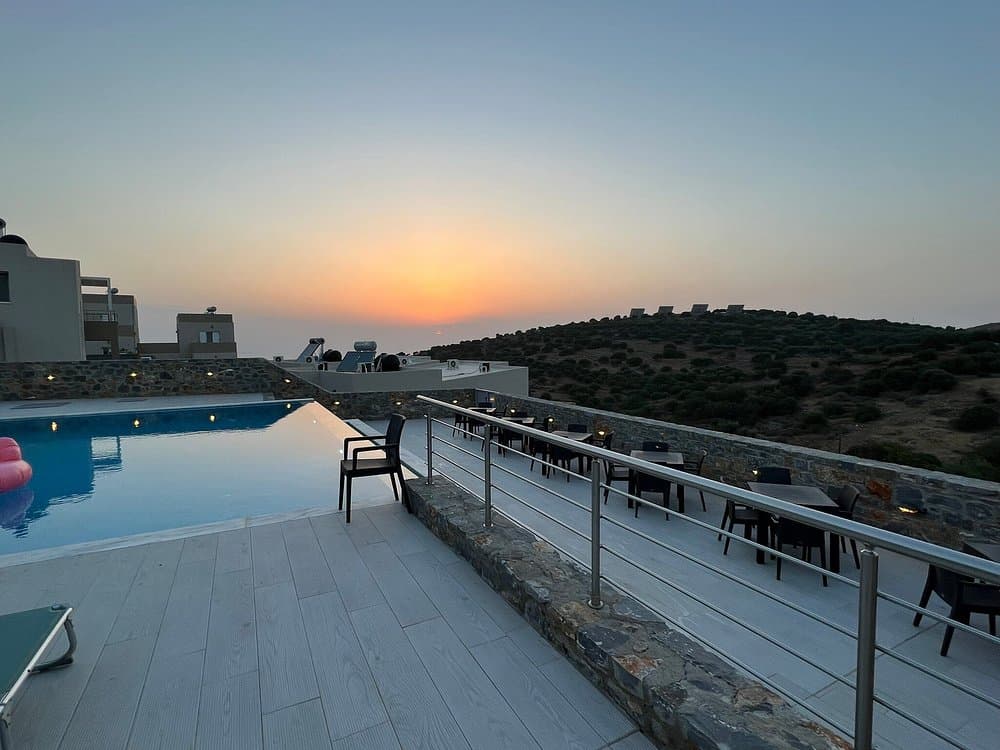
Sunset over the pool terrace of a place to stay in Kounali, with tables along a stone wall and a tree-dotted hillside beyond
IN THE VILLAGE

Accommodation in Kounali

In the village and its immediate surroundings there are places to stay built into the quiet landscape, only a few minutes from the historic Cave of Milatos: villas and rentals with fully equipped kitchens, private terraces and, in some types, a private pool — ideal for those seeking calm, nature and comfort away from the bustle of the tourist centres.

See the places to stay in the village

In the surrounding villages

For a wider choice, the greater Mirabello region offers accommodation of every kind:

Neapoli

traditional hotels and rooms to rent in the heart of the town

Sisi

hotels and villas with sea views, ideal for family holidays

Agios Nikolaos & Elounda

for those looking for luxury resorts and lively tourist activity, a few minutes away by car

Whatever you choose, Kounali remains the ideal starting point for exploring the whole of Mirabello.

06 — PRACTICAL INFORMATION

How to get to Kounali

FROM AGIOS NIKOLAOS
29 KM ·· 35–40′
FROM NEAPOLI
9 KM ·· 15′
“N. KAZANTZAKIS” AIRPORT, HERAKLION
50–55 KM ·· 55–60′

Kounali lies close to the main road axis connecting Heraklion with Agios Nikolaos, making it easy to reach wherever you arrive in Crete.

The best time to visit

The area is beautiful all year round, with spring and autumn ideal for hiking and exploring, and summer perfect for combining the village with the nearby beaches.